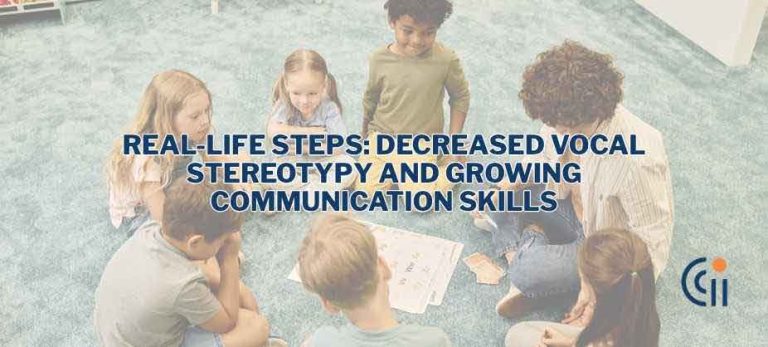
Some of the biggest milestones begin with the smallest moments. Learning to take turns may seem like a simple skill, but it lays the foundation for communication, friendships, and teamwork. Many children with autism benefit from practicing taking turns because it helps them participate in games, conversations, classroom activities, and everyday interactions.
The examples below show how ABA therapy can teach taking turns through play and everyday routines. While every child’s experience is different, these examples illustrate strategies therapists and families may use to build social skills.
Please note: ABA therapy is highly individualized, and every child’s progress is unique. The examples below are intended for educational purposes and illustrate how taking turns may be taught through ABA therapy. Outcomes vary based on each child’s strengths, needs, and the support they receive at home, school, and in the community.
Please note: Therapy is a highly personal experience, and, like any other treatment, results are not uniform. Several factors determine whether a child will benefit from therapy, including individual characteristics, the nature of their needs, and the quality of support they receive at home and/or school.
How Taking Turns Supports Social Growth
For some children, waiting for another person’s turn can feel challenging. They may enjoy playing games, but want every turn to happen on their own schedule. Even waiting a few seconds may lead to frustration. ABA therapists focus on helping children understand that playing with others can be enjoyable. Rather than expecting perfect turn-taking right away, therapists build confidence one small step at a time. Many activities begin with simple games that include only a few turns. Therapists explain the rules in clear language and celebrate every successful moment of waiting, even if it lasts only a few seconds. The goal is to make taking turns feel positive and rewarding.
Practicing Taking Turns Through Play
Therapists often practice taking turns during activities that children already enjoy. For example, children may:
- Roll a ball back and forth.
- Stack blocks together.
- Play a simple board game.
- Build with toys as a team.
- Take turns choosing activities.
Therapists model what taking turns looks like and encourage the activity. As children become more comfortable waiting, they begin to understand what to expect and recognize that their turn will come. With consistent practice, waiting often becomes easier and less frustrating.
Taking Turns Can Carry Over at Home
Families can reinforce these same skills during everyday activities. Game nights, building with blocks, card games, and pretend play all provide opportunities to practice waiting and sharing. Parents can praise children for successful turns and keep activities fun and low-pressure. As children become more comfortable with taking turns, many families notice positive changes during playtime with siblings and other family members. Activities that once ended in frustration may become enjoyable experiences everyone can share. Practicing at home also helps children use these skills outside of therapy sessions.
Taking Turns Helps Build Friendships
Taking turns is about much more than following the rules of a game. Children use this skill during conversations, classroom activities, playground games, sports, and group projects. Learning to wait, share, and participate with others helps children build positive relationships and feel more confident in social situations. As children practice taking turns, they often become more comfortable joining group activities and interacting with peers. These small social experiences can create meaningful opportunities for connection.
Why Taking Turns Is an Important Skill
Learning to take turns supports many areas of development. Children who practice this skill may also improve their ability to:
- Wait patiently.
- Share with others.
- Follow directions.
- Cooperate during activities.
- Participate in group games.
- Build friendships.
- Develop confidence in social settings.
Like many life skills, taking turns develops through regular practice and positive experiences.
Small Steps Can Lead to Meaningful Progress
Many important milestones begin with simple everyday activities. Children do not become confident social participants overnight. Instead, they build skills through repeated opportunities to practice in supportive environments. Every successful turn helps build patience, confidence, and understanding. Over time, those small moments can become skills children use at home, at school, and in their communities.
How Circle City ABA Helps Build Social Skills
At Circle City ABA, we use play-based ABA therapy to help children build communication, social, daily living, and independence skills. We design every treatment plan around each child’s unique strengths, goals, and needs. Families play an important role in the learning process. We teach practical strategies that parents can continue using at home, helping children practice new skills in everyday situations. Our goal is to help children build confidence while developing skills they can use throughout their daily lives.
Learn More About ABA Therapy at Circle City ABA
If your child struggles with social interactions, waiting, or playing with others, ABA therapy may help them develop the skills needed to participate more confidently. Circle City ABA provides individualized ABA therapy for children ages 18 months through 17 years in a welcoming, play-based environment. Our experienced team partners with families to create personalized goals and celebrate progress every step of the way.
Contact Circle City ABA today to learn how we can partner with your family and help your child take their next step toward greater independence. Find a location near you! We serve Arizona, Georgia, Indiana, Iowa, and Nebraska. We look forward to helping your child build confidence through meaningful, everyday learning experiences.
Disclaimer: Every child is different. This story reflects the progress of one individual. Outcomes may vary based on several factors, including the child’s unique needs and the level of support they receive.