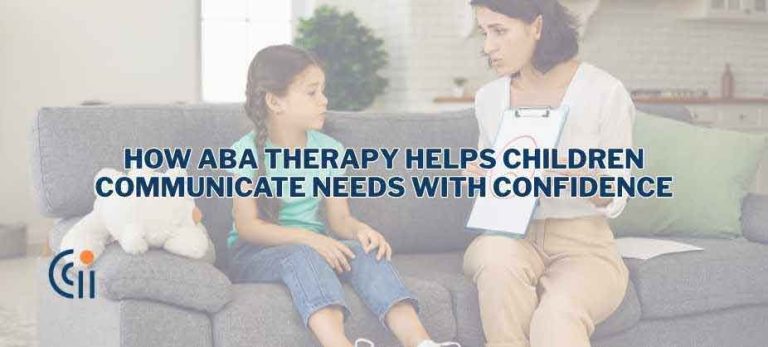
ABA Approaches to Teaching Emotional Regulation Without Suppression
Big emotions are part of being human. Anger. Excitement. Fear. Joy. All of them serve a purpose. When a child struggles with emotional regulation, the aim is not to eliminate emotions. The goal is to help them recognize their feelings and respond to them in safer, more helpful ways. At Circle City ABA, our team teaches emotional regulation without suppression. We do not ask children to stop feeling. We support them as they learn how to handle those feelings. This approach creates real progress that lasts beyond therapy sessions.
What Emotional Regulation Really Means
Emotional regulation is noticing feelings and managing reactions—not staying calm at all times. For some children, emotional regulation may look like asking for help instead of yelling. For others, it may mean taking a break instead of throwing an item. Struggles with emotional regulation often happen when a child feels overwhelmed or misunderstood. The emotion is not the problem. The lack of tools is. ABA therapy focuses on building those tools in a supportive way.
Why Emotional Regulation Should Not Involve Suppression
Suppressing emotions can cause more harm than good. When a child is told to stop crying or calm down without support, they may learn to hide their feelings rather than manage them. Over time, suppressed emotions can come out in unexpected ways. This can lead to increased frustration, anxiety, or shutdown behaviors. Effective emotional regulation teaching validates feelings and teaches what to do next—such as feeling anger and choosing a helpful response. This approach respects the child and builds trust.
How ABA Teaches Emotional Regulation in Everyday Moments
ABA therapy uses real-life situations to teach emotional regulation. Skills are practiced during moments that naturally bring up emotions. For example, if a child becomes frustrated during play, the therapist may model asking for help or taking a short break. The child is guided through the moment rather than removed from it. Over time, these strategies are practiced repeatedly. The child begins to use them independently. This makes emotional regulation more natural and meaningful.
Building Emotional Regulation Skills Without Shutting Feelings Down
Teaching emotional regulation starts with awareness. Children learn to recognize how their bodies feel when emotions rise. Tight hands. Fast breathing. A louder voice. These cues help them notice emotions early. Next, children are taught simple responses like asking for help, using words, taking a break, or choosing a calming activity. The focus is always on replacing unsafe or unhelpful reactions with safer options. Feelings are allowed. Actions are guided.
Examples of Emotional Regulation Skills Taught Through ABA
Emotional regulation looks different for every child. Here are a few examples of how skills may be taught. When frustration leads to hitting, a child may learn to hand over a break card instead. If access to a preferred item is denied, a child who screams may learn to ask for help or practice waiting. For a child who tends to shut down, learning to express discomfort with a gesture or word can provide relief. These skills are practiced consistently across settings. Home. School. Community. This helps emotional regulation carry over into daily life.
Common Questions About Emotional Regulation and ABA
- Does ABA try to stop emotional outbursts?
ABA does not aim to eliminate emotions. It supports safer ways to express them. - What if my child’s emotions seem intense?
Big emotions often mean big needs. ABA helps identify missing support and teaches new coping strategies. - How long does it take to see progress?
Progress varies for every child. Consistent support and practice lead to meaningful change over time.
Why Emotional Regulation Skills Matter Long Term
Emotional regulation impacts every part of life. Relationships. Learning. Independence.
When children have tools to manage emotions, they feel more confident and understood. Caregivers feel more equipped to support them.
These skills do not disappear after therapy ends. They grow and adapt as the child grows.
How Circle City ABA Supports Emotional Regulation
How to Start ABA Therapy at Circle City ABA
If your child is struggling with emotional regulation, support is available. Circle City ABA’s therapy helps children develop emotional regulation skills by honoring rather than suppressing big feelings. Call us today at 317-641-0204 to connect with our team, or visit our website to request more information and start the process of getting support for your child. Find a location near you! We serve Arizona, Georgia, Indiana, Iowa, and Nebraska.
Big feelings deserve support, not silence.