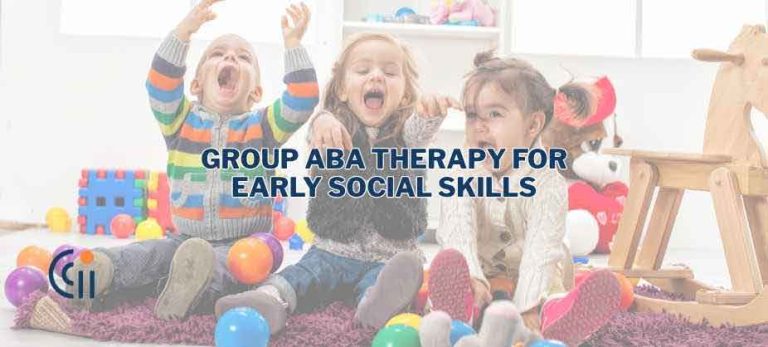
Playdates can be exciting, but they can also bring uncertainty. A child may need to share toys, communicate with another child, handle changes in play, or figure out what to do when they need a break. For some autistic children, these situations may require extra support.
Natural Environment Teaching can help children practice useful skills during activities that already interest them. Instead of practicing every social skill at a table or in a highly structured setting, children can learn while building with blocks, racing toy cars, playing outside, or creating an art project. Parents can use the same idea to make playdates more comfortable and create natural opportunities for communication and interaction.
What Is Natural Environment Teaching?
Natural Environment Teaching, often called NET, uses naturally occurring activities and a child’s interests to create learning opportunities. ABA can range from highly structured teaching to approaches that happen during play and everyday routines. The American Academy of Pediatrics notes that naturalistic ABA approaches can be child-led and incorporated into play and daily activities.
Imagine your child loves trains. Instead of creating an unrelated activity to practice taking turns, you might use the train set they already enjoy. One child can add a train to the track. The other can choose where the track goes next. They may ask each other for pieces, exchange toys, or build beside one another.
The activity remains fun while creating opportunities to practice useful skills.
How to Support Successful Playdates Before They Begin
A successful playdate does not need to be completely spontaneous. A little preparation can help your child know what to expect. Think about where the playdate will happen, how long it will last, what activities will be available, and what your child may need to feel comfortable.
For a first playdate, you might plan two or three familiar activities. Choose toys or games your child already enjoys and understands. You can also tell your child what will happen in simple terms. For example, explain that a friend will come over, they can play with LEGOs or cars, they will have a snack, and then their friend will go home.
Predictable routines and visual schedules can help some autistic children anticipate transitions between activities.
Start Successful Playdates With Your Child’s Interests
Natural Environment Teaching often begins with motivation. Think about what your child already enjoys. It could be dinosaurs, bubbles, crafts, trains, playground equipment, music, dolls, puzzles, or building toys.
Preferred activities can make it easier to create natural opportunities for interaction. The American Academy of Pediatrics recommends considering a child’s interests and preferences and incorporating preferred activities to encourage engagement. If both children enjoy bubbles, for example, they might take turns holding the bubble wand. One child could ask for more bubbles. Another might pop bubbles while their friend blows them.
You do not need to interrupt the fun every few seconds to teach a lesson. Look for opportunities that already fit naturally into the activity.
Use Playdates to Practice Communication
Playdates create many reasons to communicate. A child might want a toy another child has. They may need help opening something. They might want another turn, prefer a different activity, or need space. These are meaningful opportunities to communicate.
Depending on your child’s communication style, they may use spoken words, gestures, pictures, signs, or a communication device. For example, two children may be building a tower and need the same blocks. Instead of immediately solving the problem, a parent might give the children a chance to communicate. One child might ask, “Can I have the blue block?” Another might point to a different piece or offer a trade.
The goal is not perfect conversation. The goal is helping children use communication that is useful and meaningful to them.
Practice Taking Turns Without Forcing Interaction
Taking turns can be easier when it happens within an activity the child enjoys. Board games are one option, but turn-taking can happen almost anywhere. Children can take turns going down a slide, adding pieces to a puzzle, choosing songs, rolling a ball, or putting toppings on a pretend pizza.
Keep expectations realistic. A young child new to taking turns may manage only a few exchanges before returning to independent play. That is okay. Naturalistic approaches use naturally occurring learning opportunities and turn-taking interactions within play routines.
Remember That Playing Together Can Look Different
A successful playdate does not require two children to interact constantly. Sometimes children play directly together. Other times, they may play beside each other with similar toys. A child may also move between social interaction and independent play.
Avoid measuring success by how much your child talks, makes eye contact, or stays involved with another child. Instead, consider your child’s individual goals.
Success might mean asking another child for a toy. It could mean staying in the same play area for several minutes, taking two turns in a game, communicating a preference, or asking for a break. Social goals should support useful communication, relationships, participation, and self-advocacy, not teach a child to behave exactly like their peers.
Give Your Child a Way to Take a Break
Playdates can involve extra noise, movement, conversation, and routine changes. Your child may need a break. Before the playdate, identify a quiet or familiar space where your child can go if they need time away. Make sure a break doesn’t feel like punishment.
You can also help your child practice communicating that need. Depending on the child, they might say “break,” point to a break card, use a communication device, or move to a designated quiet area. Respecting the need for space can help make social experiences more comfortable.
Keep Successful Playdates Short at First
A longer playdate is not automatically a better playdate.
If your child is new to playdates, consider starting with a manageable amount of time. Ending while things are still going well may make the next playdate feel more approachable.
Watch your child’s cues throughout the visit.
If they seem overwhelmed or tired, you do not need to continue simply because you planned a certain amount of time.
Over time, you can adjust the length and activities based on what works for your child.
Help Skills Carry Over Into Everyday Life
One benefit of practicing skills during natural activities is that children get opportunities to use those skills where they actually matter.
A child may learn how to take turns with a therapist but still need practice taking turns with a sibling or friend. Another child might learn to request help during ABA therapy but need support using that skill during a playdate.
This process of using a learned skill with new people, activities, and environments is often called generalization.
The American Academy of Pediatrics emphasizes teaching children to use skills across different environments and situations. It also notes that families can create opportunities for social interaction during regular activities and natural environments.
Research reviewed by the AAP also suggests that social interventions involving peers in natural settings such as classrooms and playgrounds can support social interaction, although outcomes vary by child and intervention.
What Should Parents Do During a Playdate?
Parents do not need to direct every interaction.
Start by observing. Give your child time to play, communicate, and respond before stepping in.
If support is needed, keep it simple. You might remind your child of an available choice, point out where a needed toy is located, or help them communicate a request.
Then give the children another chance to continue the activity.
The goal is to provide enough support for your child to participate without taking over the entire playdate.
FAQ About How to Support Successful Playdates
What if my child prefers playing alone?
That is okay. Independent play can be enjoyable and meaningful. If social interaction is an appropriate goal for your child, start with small opportunities that connect to activities they already enjoy rather than forcing extended interaction.
What if my child does not want to share a favorite toy?
Consider putting especially important toys away before the playdate. Offer toys that are easier to use together or provide duplicates when possible. Sharing does not need to be the goal of every activity.
Should I correct my child during a playdate?
Try not to turn the entire playdate into a series of corrections. If your child needs support, use simple prompts or guidance, then give them room to keep playing.
Can Natural Environment Teaching happen outside of ABA therapy?
Parents naturally create learning opportunities throughout everyday life. However, if your child has specific ABA goals, talk with their BCBA about strategies that are appropriate to practice at home. Family involvement can help children use skills during regular routines and community activities.
What makes a playdate successful?
Success depends on the child. A good playdate may include communicating a need, sharing an activity, taking a turn, enjoying time near another child, or recognizing when a break is needed.
How Circle City ABA Uses Learning Through Play
At Circle City ABA, we passionately nurture progress through play.
Our teams can use play, daily routines, and meaningful activities to create opportunities for children to practice individualized skills. Naturalistic ABA approaches support learning in the context of play and everyday activities, rather than limiting it to highly structured settings.
Depending on the child, goals may include communication, social skills, daily living routines, safety, school readiness, or greater independence.
Parents and caregivers also play an important role. Families can talk with their child’s BCBA about social situations that are challenging at home or in the community and learn strategies that fit their child’s treatment goals.
Start ABA Therapy With Circle City ABA
Learning how to support successful playdates does not mean creating a perfect social experience. It means finding comfortable and meaningful opportunities for your child to communicate, play, make choices, interact with others, and advocate for what they need.
Circle City ABA provides individualized, play-based ABA therapy for children ages 18 months through 17 years. Arizona, Georgia, Indiana, Iowa, and Nebraska.
If you are exploring ABA therapy for your child, contact Circle City ABA at 317-641-0204 or visit circlecityaba.com. Our admissions team can answer your questions, discuss services, verify insurance benefits, and explain the assessment and enrollment process.
Please note: Every autistic child has different strengths, preferences, communication styles, and support needs. Social goals and ABA strategies should be individualized. A child’s progress and response to therapy will vary.
Sources
- American Academy of Pediatrics: Identification, Evaluation, and Management of Children With Autism Spectrum Disorder. Discusses naturalistic ABA approaches, learning through play and daily routines, peer interaction, individualized goals, and generalizing skills across settings.
- Centers for Disease Control and Prevention: Treatment and Intervention for Autism Spectrum Disorder. Describes behavioral approaches and naturalistic interventions that use play and social interaction to build skills.
- American Academy of Pediatrics: Management of Children With Autism Spectrum Disorders. Discusses opportunities for peer interaction, social skills instruction, family involvement, and helping children use skills in new environments.
- American Academy of Pediatrics: Early Intervention, IDEA Part C Services, and the Medical Home. Discusses learning within natural environments and incorporating intervention strategies into everyday family activities.