Joining a game. Asking another child to play. Waiting for a turn. Telling someone when you need help. These everyday interactions involve skills that some children with autism may need more time and support to develop.
Social Skills ABA Therapy gives children structured opportunities to practice meaningful interactions. Rather than expecting a child to figure out a social situation on their own, therapists can teach skills in smaller steps and support the child as they practice.
At Circle City ABA, our clinical teams build social goals around each child’s strengths, needs, and interests. When appropriate, children can practice with peers so they have opportunities to use new skills during real interactions.
What Is Social Skills ABA Therapy?
Social Skills ABA Therapy uses principles from applied behavior analysis to help children develop skills that support communication and interaction with others.
A Board Certified Behavior Analyst, or BCBA, starts by learning about the child’s current abilities and family priorities. The BCBA then develops individualized goals that the therapy team can practice during everyday activities.
Goals might include:
- Taking turns during a game
- Asking another child to play
- Sharing materials
- Communicating when help is needed
- Responding when someone starts an interaction
- Participating in a group activity
- Having a back-and-forth conversation
- Communicating the need for a break
Social goals should have a meaningful purpose. The goal is not to make every child interact in the same way. Instead, therapy can help children develop useful skills for communicating, participating, and building relationships.
How Does Social Skills Training Work?
Social skills training should start with skills that match the individual child.
Imagine a child who wants to play with other children but does not know how to join them. Simply telling the child to “go play” may not provide enough information.
A therapist can clarify the process. The child might first practice approaching a peer, asking to join, and waiting for a response. The therapist can help as needed and adjust support as the child becomes more comfortable.
Breaking a larger social situation into manageable steps can make practice feel less overwhelming.
Social Skills ABA Therapy Uses Play to Make Practice Meaningful
Children learn many social skills through play.
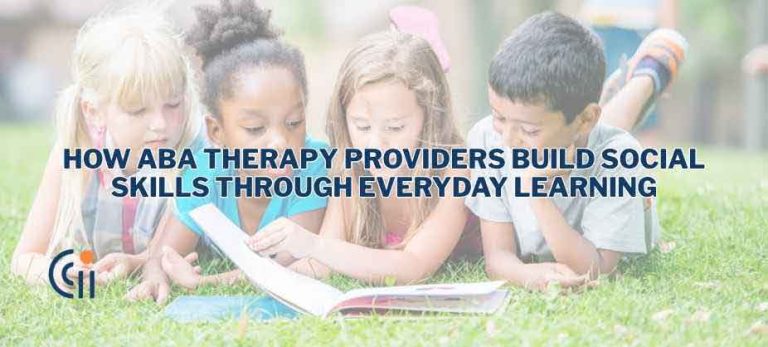
Games naturally create opportunities to practice social skills. A simple board game can help children practice waiting and taking turns. Building with blocks can encourage sharing materials, requesting pieces, and working toward a common goal.
Other activities might include:
- Playing pretend games
- Completing a project together
- Rolling a ball back and forth
- Building with toys
- Playing age-appropriate games
- Participating in group activities
Therapists can choose activities based on what children enjoy. When children feel interested and engaged, social learning can become part of the activity rather than feeling like a separate lesson.
How Group ABA Therapy Can Support Peer Practice
Practicing with a therapist is valuable, but interacting with another child creates different learning opportunities.
When clinically appropriate, group activities can give children opportunities to practice skills with peers in a supported environment. Therapists can help children navigate interactions as they happen.
For example, two children might build something together. One child may practice asking for a block while the other practices responding to the request. Both children have an opportunity to communicate and participate.
Group activities can also introduce situations that are difficult to recreate during individual practice. Children may need to wait, make choices, respond to another person’s idea, or handle an unexpected change.
These moments can become useful learning opportunities with support from the therapy team.
How BCBAs Guide Social Skills ABA Therapy
A BCBA plays an important role in developing and overseeing a child’s ABA program.
Before choosing social goals, the BCBA learns about the child’s current skills, interests, challenges, and family priorities. The BCBA then identifies specific skills that may support the child’s everyday life.
Therapists practice those skills during sessions and track progress. The BCBA reviews that information and adjusts goals or teaching strategies as needed.
This ongoing process helps keep autism therapy individualized. A social goal that makes sense for one child may not be useful or appropriate for another.
What Social Skills Can Children Practice Through ABA Therapy?
Social skills cover much more than making friends.
Children use social and communication skills at home, school, therapy, and in the community. The skills a child practices should reflect what is useful for their individual life.
Depending on the child, Social Skills ABA Therapy may address:
- Functional communication
- Taking turns
- Waiting
- Asking for assistance
- Participating in shared activities
- Starting interactions
- Responding to others
- Making choices
- Problem solving
- Communicating emotions
- Self advocacy
Some children may start with simple interactions, while others work on more complex conversations or group situations.
There is no single timeline for learning these skills. Progress looks different for every child.
How Can Families Practice Social Skills at Home?
Parents do not need to turn their homes into therapy centers to support social development.
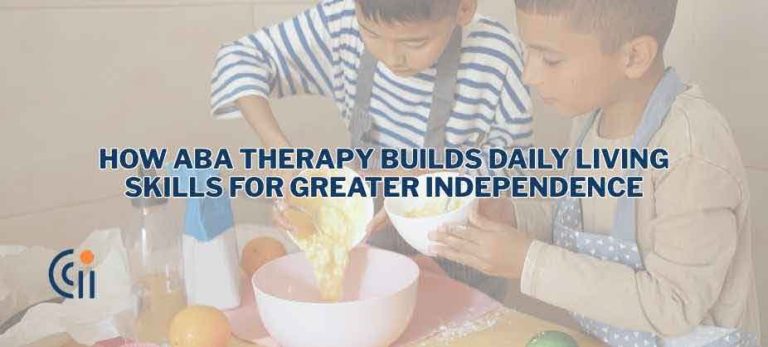
Everyday routines already provide many opportunities for practice. Playing a favorite game can encourage taking turns. Cooking together can involve asking for ingredients or following another person’s directions. A sibling activity can provide opportunities to share materials and solve simple problems together.
Families can ask their BCBA which skills their child is currently practicing and how to support those skills at home. Using similar approaches across settings can give children more opportunities to use what they are learning.
Keep practice positive and realistic. A few meaningful opportunities during familiar activities can be more useful than forcing social interaction throughout the day.
How Do Behavioral Therapy Providers Measure Social Progress?
Quality behavioral therapy providers use specific goals to understand whether therapy is helping.
Instead of using a broad goal such as “improve social skills,” the team may track something more specific. For example, they might look at whether a child can request a turn or participate in a shared activity with less assistance.
Therapists collect information during sessions, and the BCBA reviews progress regularly. Families can also share what they notice at home, school, or in the community.
As children develop new skills, the team can adjust goals to reflect their changing needs.
Is Social Skills ABA Therapy Right for My Child?
Social Skills ABA Therapy may be worth exploring if your child needs additional support communicating or interacting with others.
An assessment can help determine which skills may be useful and whether ABA therapy is appropriate. Parents should also have an opportunity to discuss their concerns, priorities, and questions with the clinical team.
When comparing providers, ask who develops the treatment plan, how often a BCBA reviews progress, and how children practice skills with peers. You can also ask how the provider involves families and helps children use skills outside the clinic.
The answers can help you decide whether a program feels right for your child.
Social Skills ABA Therapy at Circle City ABA
At Circle City ABA, we create individualized ABA therapy programs around each child’s strengths, needs, interests, and goals. Our clinical teams help children practice meaningful communication, social, daily living, and independence skills through engaging activities.
When appropriate for a child’s treatment plan, peer and group activities can provide opportunities to practice social skills in a supported environment. Our BCBAs oversee treatment goals and adjust programs as children learn and grow.
Families are also an important part of the process. We partner with parents and caregivers so they understand what their child is learning and have practical ways to support those skills outside of therapy.
Start ABA Therapy With Circle City ABA
If your child could benefit from more structured social skills practice, Circle City ABA is here to help you explore your options.
We provide individualized ABA therapy for children ages 18 months through 17 years. Our admissions team can answer questions about services, help verify insurance benefits, and explain the assessment and enrollment process.
Contact Circle City ABA at 317-641-0204 to learn more about Social Skills ABA Therapy or find a Circle City ABA location near you. Our team can help you take the next step toward services designed around your child’s individual needs.
Please note: ABA therapy is individualized, and every child’s experience is different. Therapy goals and recommendations should reflect the child’s individual strengths, needs, preferences, and family priorities.