Brushing teeth, getting dressed, washing hands, cleaning up, and preparing a simple snack are everyday tasks. But each one requires several smaller skills working together.
For some children with autism, learning these routines may require extra practice and support. Adaptive Skills training in ABA therapy can help children learn practical tasks they use at home, at school, and in the community.
The goal is not to make every child complete a routine in exactly the same way. Instead, therapists focus on meaningful skills that can help each child participate more independently in everyday life.
What Are Adaptive Skills?
Adaptive skills are practical skills people use to meet everyday needs and participate in daily life.
For children, these skills may include communication, personal care, safety, household routines, and other tasks that support greater independence.
Examples of adaptive skills include:
- Getting dressed
- Brushing teeth
- Washing hands
- Using the bathroom
- Eating and drinking independently
- Cleaning up after an activity
- Following a morning routine
- Organizing personal belongings
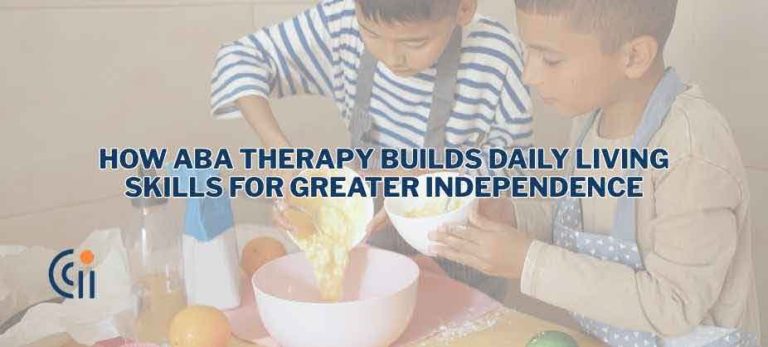
- Preparing simple snacks
- Communicating when help is needed
- Practicing basic safety skills
The skills that matter most will change as a child grows. A young child may work on washing their hands, while an older child may practice preparing food or organizing their belongings.
What Is Adaptive Skills Training?
Adaptive skills training is the process of teaching and practicing practical skills that support everyday life.
Within applied behavior analysis, a Board Certified Behavior Analyst (BCBA) can identify adaptive skills that are meaningful for the individual child. The therapy team then creates opportunities to teach and practice those skills.
For example, getting dressed involves more than putting on clothes. A child may need to choose clothing, understand which item goes on first, put on a shirt and pants, manage buttons or zippers, and recognize when they need help.
Instead of expecting a child to learn the entire routine at once, therapists can teach manageable parts of the task and build from there.
How ABA Therapy Teaches Adaptive Skills
ABA therapists often make larger tasks easier to learn by breaking them into smaller steps.
Consider handwashing. The routine might include turning on the water, wetting hands, using soap, rubbing hands together, rinsing, turning off the water, and drying hands.
A therapist can determine which steps the child already completes and where they need support. The therapist then provides the appropriate level of help while giving the child opportunities to practice.
As the child develops the skill, therapists can adjust their support and encourage the child to complete more steps independently.
This approach allows children to build skills gradually instead of expecting them to master a complicated routine all at once.
How Adaptive Skills Support Daily Living Skills
Many daily living skills happen naturally throughout a child’s day. That makes everyday routines useful opportunities for practice.
Snack time may include opening a container, making a choice, asking for help, eating with utensils, and cleaning up afterward. Getting ready to leave the house may involve finding shoes, putting them on, gathering belongings, and following a simple schedule.
Therapists can practice these skills during activities that have a clear purpose for the child.
This type of practice can help children understand when and why they use a skill rather than learning it only as an isolated therapy task.
Adaptive Skills Training Can Build Independence Skills
Greater independence often develops one small step at a time.
A child may initially need help with every part of getting dressed. Later, they might put on a shirt independently but still need assistance with buttons. With continued practice, they may complete more of the routine on their own.
These individual steps matter.
Independence skills can give children more opportunities to participate in their own routines, make choices, and complete tasks with less assistance when appropriate.
Independence will look different for every child. Therapy should focus on goals that are safe, useful, and meaningful for the individual child and family.
How Adaptive Skills Support Life Skills Development
Adaptive skills can change as children get older.
Young children may focus on basic self-care and simple routines. School-age children might work on organizing belongings, following schedules, completing chores, or preparing simple foods.
Older children and teens may practice more complex life skills development, such as managing personal routines, preparing meals, making choices, completing household responsibilities, and communicating when they need assistance.
ABA therapy should grow with the child. Treatment goals can change as children develop new skills and their daily needs change.
Can Families Practice Adaptive Skills at Home?
Yes. Families play an important role because many adaptive skills happen during everyday home routines.
Parents can talk with their child’s BCBA about which skills the child is currently practicing and how to support those goals at home.
For example, a parent might give a child extra time to attempt part of their morning routine before offering help. A visual schedule might show the steps for getting ready. Families can also celebrate effort and progress as children learn.
Parents do not need to turn every routine into a therapy session. Instead, they can look for natural opportunities to let children practice skills they are already learning.
How Do ABA Providers Choose Adaptive Skills Goals?
Adaptive skills training should always be individualized.
Before developing treatment goals, a BCBA may complete an assessment and talk with parents about the child’s abilities, challenges, routines, and family priorities.
The team might consider questions such as:
- Which tasks does the child currently complete independently?
- Where does the child need support?
- Which skills would make everyday routines easier?
- Which skills are important for safety?
- What matters most to the child and family?
- Are the goals appropriate for the child’s age and abilities?
The answers help the team prioritize practical goals instead of using the same list of skills for every child.
How Does Circle City ABA Support Adaptive Skills?
At Circle City ABA, we design every treatment plan around each child’s unique strengths, needs, and goals.
Depending on the individual child, ABA therapy may include communication, social, safety, daily living skills, and independence goals. Our therapists can practice these skills through play, routines, and meaningful everyday activities.
Families also remain involved throughout therapy. Parents and caregivers can share priorities, receive progress updates, and learn practical strategies for supporting skills outside the center.
As children grow, our clinical teams can review progress and adjust goals to reflect changing needs and priorities.
Start ABA Therapy With Circle City ABA
If your child needs additional support with Adaptive Skills, daily routines, or greater independence, Circle City ABA is here to help.
We provide individualized ABA therapy for children ages 18 months through 17 years. Our admissions team can answer questions about services, explain the assessment process, verify insurance benefits, and help your family understand the next steps for getting started.
Contact Circle City ABA at 317-641-0204 or visit circlecityaba.com/contact-us/ to learn more about ABA therapy. With locations in Arizona, Georgia, Indiana, Iowa, and Nebraska, our team can help you find a Circle City ABA center near you.
Please note: ABA therapy is individualized, and every child’s progress is different. Treatment goals should reflect each child’s strengths, needs, preferences, safety, and family priorities.