Choosing an ABA therapy program is a big decision. When your child may spend several hours each day in therapy, you want to know they are receiving support that fits their needs, respects who they are, and helps them build meaningful skills.
Not all full-day ABA therapy programs look the same. The number of hours is only one part of the decision. Parents should also consider how the provider assesses their child, sets goals, structures the day, communicates with families, and measures progress.
If you are comparing full-day ABA therapy programs, here are some important things to look for.
1. Look for Full-Day ABA Therapy Programs That Start With an Individual Assessment
A strong ABA program should begin with an assessment rather than a standard treatment plan.
A Board Certified Behavior Analyst (BCBA) should learn about your child’s current skills, strengths, needs, interests, and challenges. The assessment can also help the clinical team understand which skills could make the biggest difference in your child’s everyday life.
ABA should not take a one-size-fits-all approach. Treatment goals should reflect the individual child and may address communication, social interaction, play, self-care, safety, or other important skills.
Parents can ask, “How will you decide what my child works on?” The provider should be able to clearly explain the assessment process and how it guides treatment recommendations.
2. Ask How the Provider Determines the Right Therapy Schedule
Full-day ABA therapy can provide children with many opportunities to learn and practice skills throughout the day. However, families should understand why a provider recommends a particular schedule for their child.
ABA treatment intensity should respond to individual needs rather than applying the same number of hours to every child. Clinical recommendations may also change as a child makes progress or their needs change.
Ask the provider how the assessment influences the recommended schedule. You can also ask how often the clinical team reviews progress and whether treatment recommendations can change over time.
3. Consider the Environment of Full-Day ABA Therapy Programs
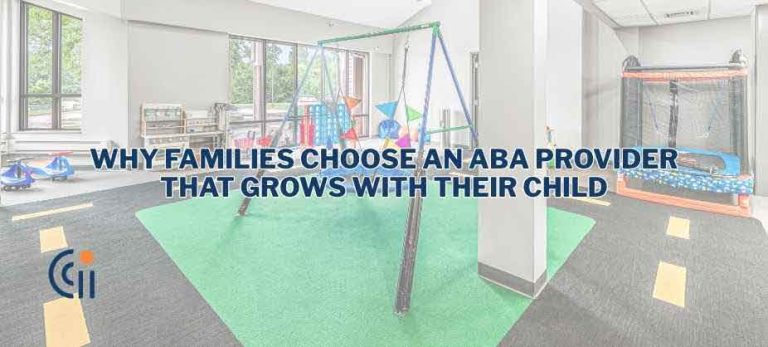
If your child will spend much of the day at an ABA center, take time to learn about the environment.
Does the center feel welcoming and engaging? Are there spaces for play, learning, movement, social interaction, and breaks? How does the team respond when a child needs space or becomes overwhelmed?
ABA therapy can include both planned learning opportunities and naturally occurring opportunities throughout the day. For example, a child might practice requesting during a structured activity and later use the same skill while choosing a toy or snack.
At Circle City ABA, we believe children should have opportunities to learn through play and everyday experiences. Our centers provide spaces where children can work on meaningful goals while interacting with therapists and peers.
4. Find Out Which Skills Your Child Will Build
A full day of ABA therapy should have a purpose beyond keeping a child busy. Ask what your child’s day will look like and how different activities connect to their treatment goals.
Depending on the child’s needs, ABA goals may focus on communication, social skills, play, self-care, learning, and greater independence.
For example, a child may work on asking for help, washing their hands, taking turns with a peer, following a routine, making choices, or safely transitioning between activities.
These practical skills can help children become more confident and independent during everyday routines.
5. Ask How Full-Day ABA Therapy Programs Measure Progress
Parents should not have to guess whether therapy is helping.
ABA providers collect information during therapy to understand how a child is responding to treatment. The BCBA can use this information to review progress and adjust teaching strategies or goals when needed.
Ask how often your child’s goals will be reviewed and how the team will share progress with you. A quality provider should be able to explain what your child is working on in language that makes sense to your family.
Progress will look different for every child. What matters is whether the team uses ongoing information to make thoughtful decisions about your child’s care.
6. Look for Family Support and Parent Training
ABA therapy does not stop when your child leaves the center.
Parents and caregivers can play an important role in helping children use new skills during everyday routines. Caregiver training can help families understand treatment goals and learn ways to support those skills outside therapy. Professional guidelines also emphasize that caregiver training should reflect each family’s needs, priorities, and circumstances.
Ask how the provider involves parents. Will you receive regular updates? Can you discuss challenges happening at home? Will the team help you practice strategies that fit naturally into your family’s routines?
Family involvement should feel collaborative rather than overwhelming.
7. Choose a Program That Treats Your Child as an Individual
Your child is more than a list of goals.
Look for full-day ABA therapy programs that consider your child’s interests, preferences, strengths, and comfort. Modern ABA should focus on meaningful skills that can help autistic people live safer, more independent, and fulfilling lives. Therapy should also respect a child’s boundaries rather than focusing on changing harmless behaviors simply because they look different.
Ask what happens if your child needs a break, does not want to participate in an activity, or becomes overwhelmed. The answers can tell you a lot about a provider’s approach to care.
At Circle City ABA, we use a child-centered, play-based approach. We want children to feel safe and supported while they build skills that can make a meaningful difference in daily life.
Questions to Ask When Comparing Full-Day ABA Therapy Programs
Before choosing a provider, consider asking:
- How do you assess my child’s strengths and needs?
- Who creates and oversees my child’s treatment plan?
- How do you determine the recommended therapy schedule?
- What would a typical day look like for my child?
- How do you include play, movement, social interaction, and breaks?
- How do you measure and share progress?
- How are parents involved in treatment planning and training?
- How do you respond when a child needs a break or does not want to participate?
- How will goals change as my child develops new skills?
- How will you help my child use skills outside the ABA center?
A provider should welcome your questions and help you understand what to expect before your child begins services.
Looking for Full-Day ABA Therapy Programs?
Finding the right ABA provider is about finding the right fit for your child and family.
Circle City ABA provides individualized, play-based ABA therapy for children and teens from 18 months through 17 years old. Our team works with families to identify meaningful goals and create an individualized treatment plan based on each child’s needs.
The recommended length and schedule of ABA services are determined through the assessment process. Our team can also help families understand insurance coverage and the steps needed to begin services.
Ready to learn more? Call Circle City ABA at 317-641-0204 or visit circlecityaba.com to speak with our admissions team and start the enrollment process. Find a location near you! We serve Arizona, Georgia, Indiana, Iowa, and Nebraska.
Sources
- Behavior Analyst Certification Board. Clarifications Regarding Applied Behavior Analysis Treatment of Autism Spectrum Disorder: Practice Guidelines for Healthcare Funders and Managers.
- Autism Speaks. Applied Behavior Analysis (ABA).
- Autism Speaks. A Parent’s Guide to Applied Behavioral Analysis.
- Autism Speaks. ABA and Other Therapies.