Getting dressed. Brushing teeth. Packing a backpack. Washing hands. Cleaning up after a meal.
These everyday routines may look simple, but they involve many smaller skills. For some children with autism, learning each step takes additional time, practice, and support.
ABA therapy can help children develop daily living skills by breaking routines into manageable steps and creating opportunities to practice them. As children learn, therapists can adjust the amount of support they provide and help children use their skills during everyday activities.
The goal is not to make every child complete tasks in the same way. It is to help each child build practical skills that support participation, confidence, and greater independence at home, at school, and in the community.
What Are Daily Living Skills?
Daily living skills are practical abilities people use to participate in everyday routines and take care of their needs.
For young children, these skills may start with simple tasks. As children grow, their goals can become more complex.
Common examples include:
- Getting dressed
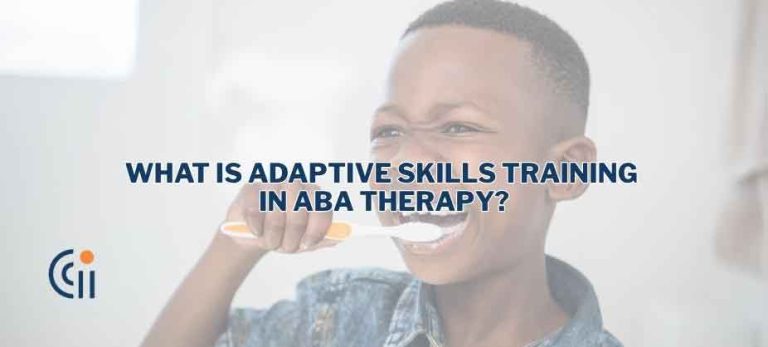
- Brushing teeth
- Washing hands
- Using the bathroom
- Eating with utensils
- Cleaning up toys
- Following morning and bedtime routines
- Packing and organizing belongings
- Preparing simple snacks
- Completing age-appropriate chores
- Asking for help
- Practicing safety skills
Every child starts in a different place. A meaningful goal for one child may not be appropriate for another.
How Does ABA Therapy Teach Daily Living Skills?
Applied behavior analysis can make complicated routines easier to learn by breaking them into smaller steps.
Consider getting ready in the morning. A child may need to get out of bed, use the bathroom, get dressed, brush their teeth, eat breakfast, put on shoes, and gather their belongings.
A therapist can focus on one part of that routine at a time. The child may first practice putting on a shirt independently. Later, the team can work on additional steps.
Therapists provide help when children need it. As children gain skills and confidence, therapists can gradually adjust that support and encourage greater independence.
How Adaptive Skills Training Supports Everyday Routines
Adaptive skills training focuses on practical abilities children need to participate in everyday life.
Many of these skills fit naturally into activities that already happen throughout the day. Instead of creating an unrelated exercise, therapists can use familiar routines as learning opportunities.
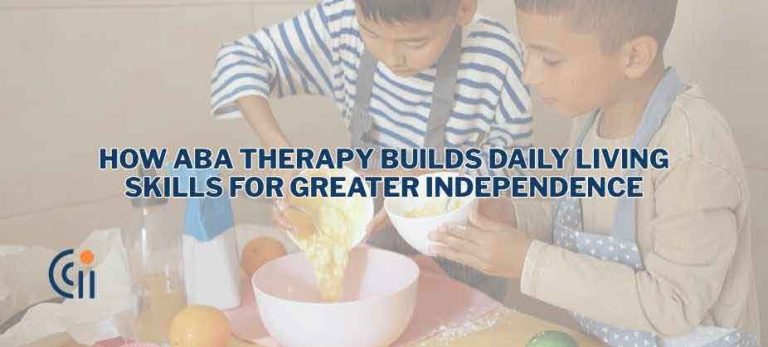
Snack time, for example, may involve choosing a snack, opening a container, using utensils, asking for help, throwing away trash, and cleaning the table.
Practicing during meaningful routines can help children understand how and when to use a new skill.
Building Daily Living Skills at Home
Home provides many natural opportunities to practice daily living skills.
Morning routines may include getting dressed, brushing teeth, eating breakfast, and gathering belongings. Evening routines may involve cleaning up toys, bathing, choosing pajamas, and preparing for bed.
Families can work with their child’s BCBA to understand which skills the child is practicing and how to support those goals at home.
Parents do not need to turn every routine into a lesson. Instead, they can create reasonable opportunities for children to try skills they are already learning. For example, giving a child a little more time to attempt a task before stepping in may create an opportunity for independent practice.
Building Daily Living Skills for School Routines
Daily living skills also affect how children participate at school.
Depending on a child’s age and needs, therapy goals may support skills such as organizing belongings, following a schedule, cleaning up after an activity, communicating when help is needed, or moving between routines.
A child might practice packing items into a backpack or following a simple visual schedule. Another child may work on communicating that they need a break or assistance with a task.
ABA therapy does not replace a child’s educational program. However, practical skills learned through therapy may support greater participation across different parts of a child’s day.
How ABA Builds Independence Skills
Independence does not mean a child must complete everything without help.
Instead, independence skills can give children more opportunities to participate in their own routines and do what they can for themselves.
For example, a child may initially need help completing every step of handwashing. Over time, they may learn to turn on the water, use soap, rinse, and dry their hands with fewer reminders.
That progress matters.
Small steps toward independence can build on each other as children learn and grow.
Daily Living Skills and Life Skills Development
The skills children need change with age.
A toddler may practice putting toys away or using a spoon. A school-age child might work on getting dressed, organizing a backpack, or completing a simple chore.
Older children and teens may work on preparing food, managing personal hygiene, following a schedule, organizing belongings, completing household responsibilities, or communicating when they need help.
This is why life skills development should change as children grow. ABA treatment plans should reflect the child’s current needs while considering practical skills that may support future independence.
How Can ABA Therapy Support Safety Skills?
Some daily living goals also involve safety.
Depending on the child’s individual needs, ABA therapy may address skills such as stopping near a street, waiting for an adult, staying with a caregiver in the community, responding to safety instructions, or communicating important personal information.
Safety goals should reflect the situations a child actually encounters.
A BCBA can work with families to identify concerns and develop individualized goals. Families can then practice appropriate strategies across familiar environments when their therapy team recommends it.
How Do ABA Therapists Measure Daily Living Skills?
ABA providers track progress to understand what a child has learned and where additional support may help.
For example, instead of simply saying that a child is “getting better at dressing,” a therapist may look at which steps the child completes independently and which still require assistance.
The BCBA reviews this information and can adjust teaching strategies as needed.
Families also provide valuable feedback. Parents may notice that a skill learned during therapy is becoming easier at home, or they may identify a routine that still feels challenging.
That communication helps the team understand how skills carry over into everyday life.
How Are Daily Living Skills Goals Chosen?
ABA therapy should never use the same list of goals for every child.
A BCBA may complete an assessment and talk with parents about the child’s current abilities, needs, routines, and priorities before recommending goals.
The team may consider questions such as:
- Which routines are currently difficult?
- What can the child already do independently?
- Where does the child need assistance?
- Which skills would make daily routines easier?
- Are there important safety concerns?
- Which skills matter most to the child and family?
- Are the goals appropriate for the child’s age and abilities?
These conversations help the team choose goals that have a practical purpose in the child’s life.
FAQ About ABA and Daily Living Skills
Can ABA help with getting dressed?
Yes, getting dressed may be included in an ABA treatment plan when it is an appropriate goal for the individual child. Therapists can break the routine into smaller steps and help children practice each part.
Can ABA therapy help with brushing teeth and hygiene?
ABA therapy can also address hygiene routines. A child might practice brushing teeth, washing hands, bathing routines, or other age-appropriate self-care skills based on their individual needs.
Can parents practice daily living skills at home?
Yes. Families can work with their child’s BCBA to learn how to support current therapy goals during everyday routines. Consistent practice opportunities can help children use skills outside of therapy.
How long does it take to learn a daily living skill?
There is no set timeline. Some children may learn certain skills quickly, while others need more time and support. Progress depends on the individual child, the skill being taught, and many other factors.
How Circle City ABA Supports Daily Living Skills
At Circle City ABA, we design every treatment plan around each child’s unique strengths, needs, and goals.
Depending on the child, ABA therapy may include communication, social, safety, daily living skills, and independence goals. Our therapists use play, familiar routines, and meaningful everyday activities to create opportunities for children to practice.
Families remain an important part of the process. Parents and caregivers can share priorities, receive progress updates, and learn practical strategies to support skills outside the center.
As children grow, our clinical teams review progress and adjust goals to reflect changing needs and priorities.
Start ABA Therapy With Circle City ABA
Building daily living skills is not about reaching independence overnight. It is about helping children take meaningful steps from their own starting point.
Circle City ABA provides individualized ABA therapy for children ages 18 months through 17 years. Our admissions team can answer questions about therapy, explain the assessment process, verify insurance benefits, and help your family understand what comes next.
Contact Circle City ABA at 317-641-0204 or visit circlecityaba.com/contact-us/ to start the enrollment process. We serve families in Arizona, Georgia, Indiana, Iowa, and Nebraska and can help you find a Circle City ABA center near you.
Please note: ABA therapy is individualized, and every child’s progress is different. Treatment goals should reflect each child’s strengths, needs, preferences, safety, and family priorities.